Senior UX Designer
A passionate and diligent UX designer with an ability to create innovative and human-centered designs. I combine user research, visual design, and modern AI tools to craft experiences that are intuitive, accessible, and impactful.
View My Work →About Me
My work is mainly focused on designing better experiences for users. I love adding my visual design sense to the user-centric designs I create. I'm a Senior UX Designer specializing in healthcare and enterprise applications — currently building intuitive interfaces that bridge complex clinical systems and the people who depend on them.
I believe good design starts with listening. Whether it's conducting caregiver interviews in a pediatric therapy clinic or mapping churn prediction KPIs for data scientists, I start every project by deeply understanding the people who will use it. My approach combines rigorous user research, thoughtful interaction design, and modern AI-augmented workflows to deliver products that feel familiar on first use and powerful over time.
With experience spanning healthcare portals, fintech dashboards, coverage synchronization systems, and home health aide applications, I bring a cross-domain perspective that helps me spot patterns and design solutions that scale.
Skills & Tools
From research to high-fidelity delivery, I work fluently across industry-standard UX tools and emerging AI platforms to accelerate every phase of the design process.
Core tools for interface design, prototyping, and visual systems
Tools and methods for user research, testing, and design strategy
Leveraging AI to amplify design thinking and accelerate delivery
Featured Work
Case studies exploring how research-driven design solves real problems for real people across healthcare, fintech, and enterprise.
Healthcare UX · Full Case Study
Redesigning how families engage with their child's therapy journey — replacing fragmented communication with a centralized, intuitive portal. Achieved 92% caregiver satisfaction and 85% reduction in paperwork.
Read the full storyHealthcare Analytics · Dashboard Design
Designed an actionable analytics dashboard for a diagnostic systems manufacturer, enabling data scientists and marketing leads to visualize AI/ML churn prediction results and make data-driven decisions to improve patient retention.
Read the full storyHealthcare · Enterprise Portal
Built a coverage synchronization portal for a healthcare organization, reducing costs and complexities by establishing a single trusted application for payers and providers. Defined visual design guidelines, typography systems, and high-fidelity wireframes.
View project detailsFintech · Dashboard & Interface Design
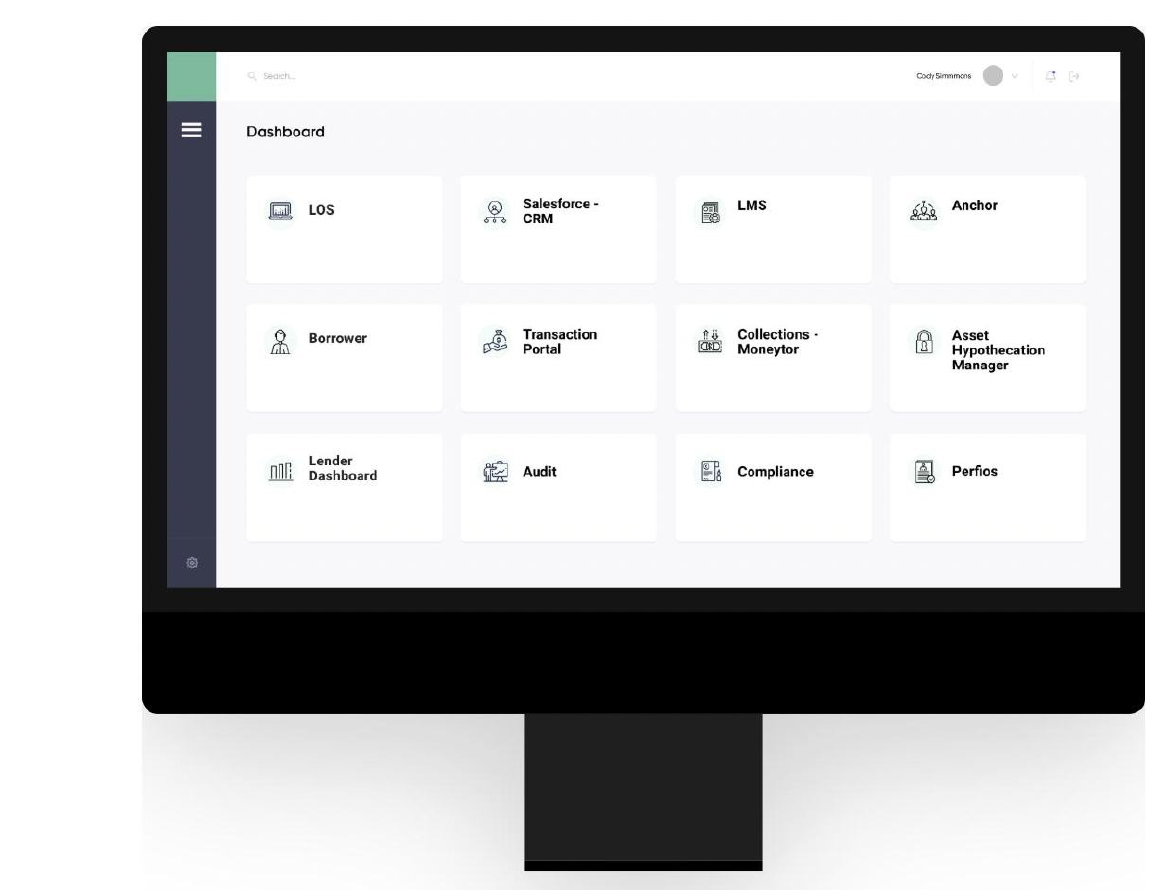
Designed intuitive dashboards and interfaces across multiple modules for a leading supply chain financing platform. Created SSO portals, payment interfaces, distributor network dashboards, and CEO revenue views — with both light and dark themes.
View project detailsHealthcare · UX Research
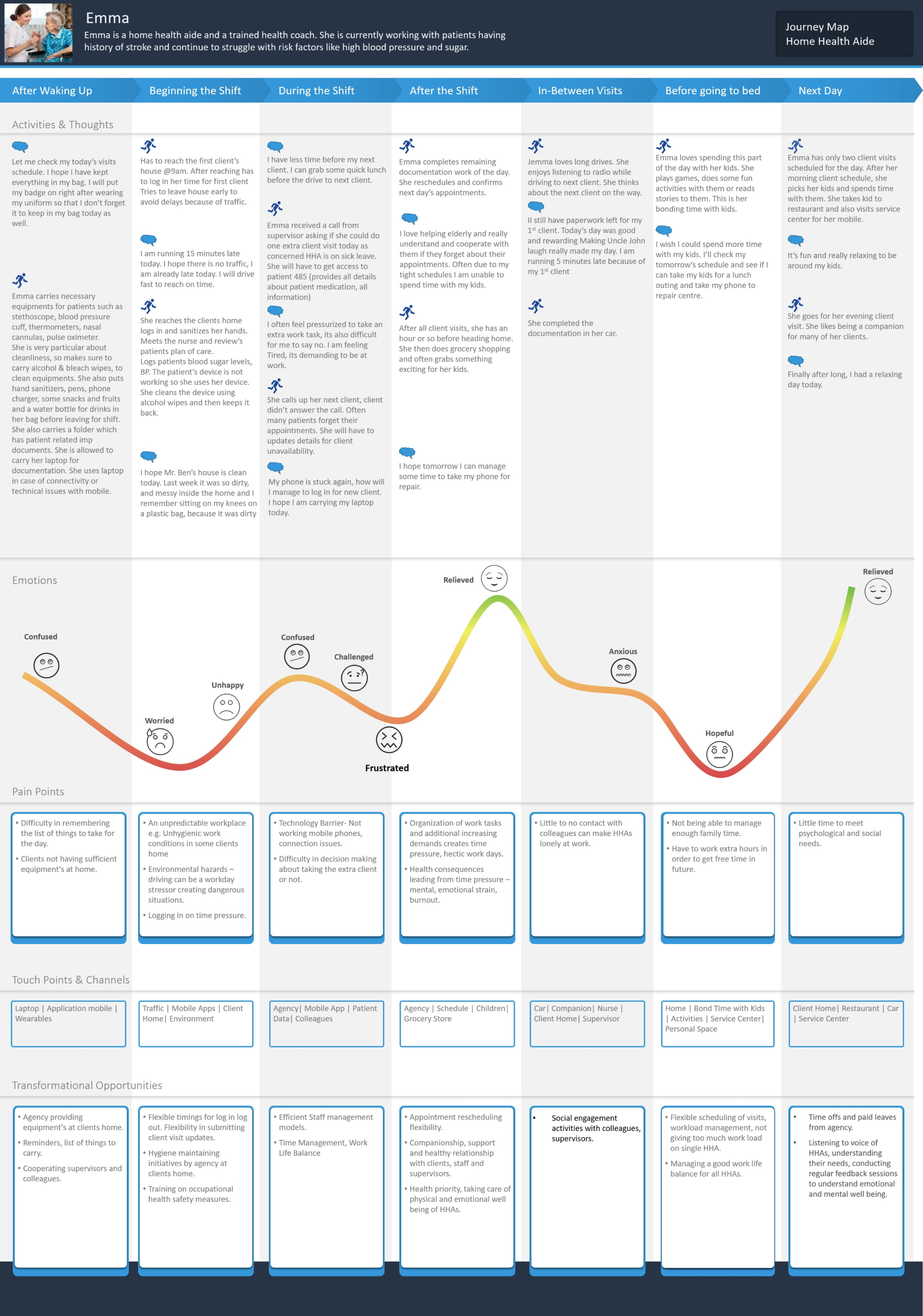
Conducted comprehensive UX research for a mobile application serving home health caregivers. Mapped a day in the life of HHAs, created personas and journey maps, and identified gaps to improve the caregiver experience across shift workflows.
View project detailsGet in Touch
I'm open to full-time roles, freelance projects, and conversations about design. Let's connect and create something meaningful.
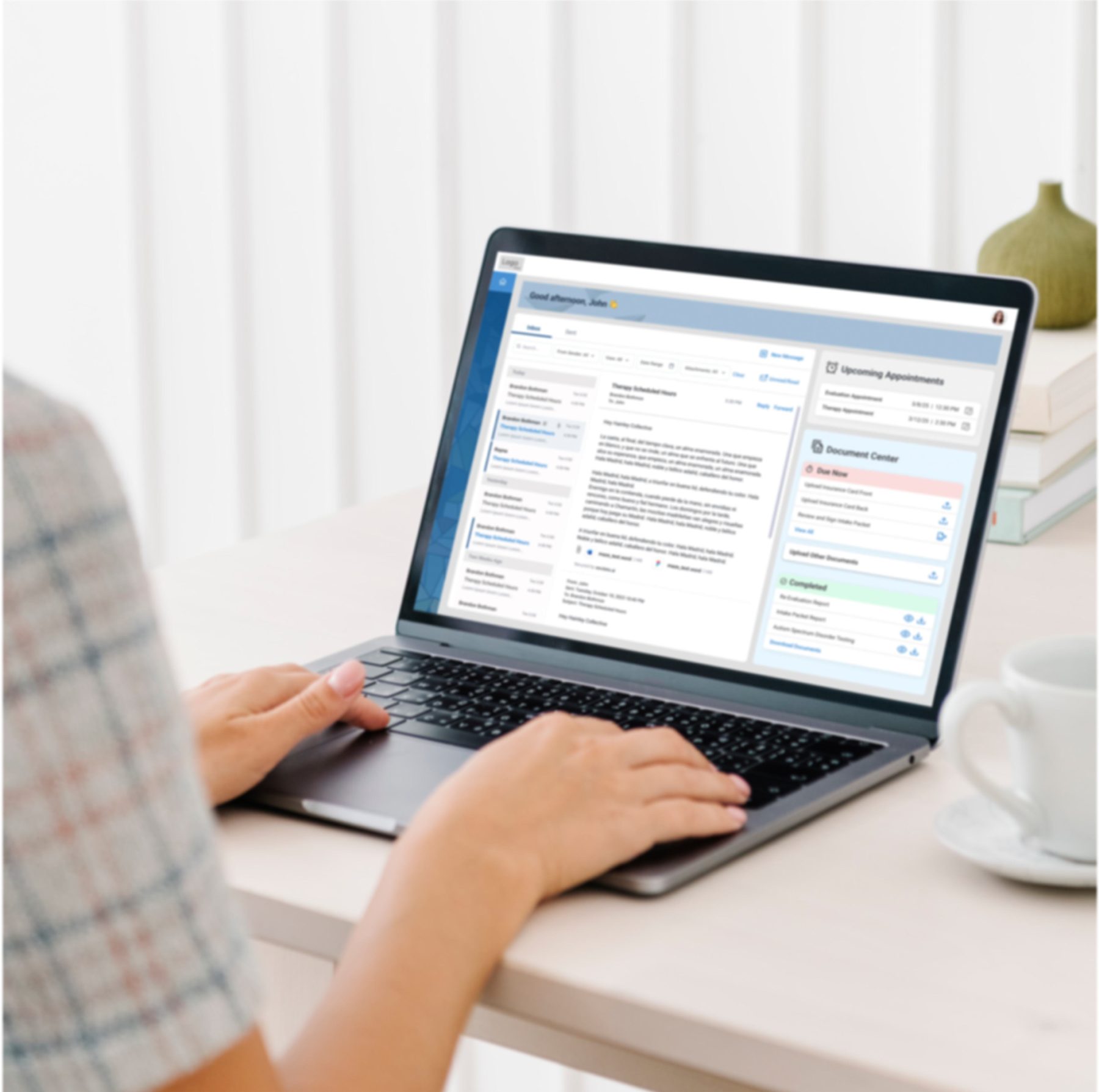
The Client Portal was developed to support parents and guardians of children undergoing behavioral therapy, recognizing their vital role in the therapeutic process.
Chapter 01
The portal aimed to streamline communication, minimize administrative overhead, and enhance visibility into each child's therapy journey. Understanding that families are central to pediatric behavioral care, the portal was designed as a user-friendly, client-facing interface that enabled parents/guardians to:
Stay informed about therapy progress and schedules through real-time access to appointments and updates.
Manage therapy-related tasks such as appointments and documentation from a single centralized hub.
Communicate seamlessly with care teams and therapists through secure, HIPAA-compliant messaging.
By bridging the gap between clinical teams and families, the portal fostered greater engagement, transparency, and collaboration, ultimately contributing to more effective therapy outcomes.
Chapter 02
In pediatric behavioral therapy, parents and guardians are essential partners in a child's progress. However, many families felt disconnected from the therapeutic process, which impacted engagement and outcomes.
The existing communication and documentation workflows were fragmented and inefficient, leading to frustration and delays.
Interactions with care teams were scattered across emails, phone calls, and in-person updates, making it difficult for families to stay consistently informed.
Important forms and reports were still handled offline, resulting in delays, misplaced files, and increased administrative burden.
Families lacked real-time access to therapy schedules, progress updates, and upcoming milestones.
Parents needed a single, centralized platform to manage therapy-related tasks and communication — without having to juggle multiple channels or formats.
These gaps highlighted the need for a dedicated client portal that could empower families with timely information, reduce manual effort, and foster stronger collaboration with care teams.
Chapter 03
The portal was designed with a clear focus on empowering families and improving their experience throughout the behavioral therapy journey. The key objectives were:
Ensure that parents and guardians could navigate the portal intuitively, regardless of their technical proficiency.
Provide a centralized, HIPAA-compliant messaging system for seamless interaction between families and care teams.
Upload, download and manage therapy forms, reports and consent documents to reduce delays and eliminate manual errors.
Present therapy schedules, upcoming evaluations, and progress updates in a transparent and accessible format.
Chapter 04
To ensure the portal addressed real-world needs, we conducted caregiver interviews and gathered stakeholder input across clinical and administrative teams. These conversations revealed key pain points and preferences that directly shaped the portal's design:
Parents were already comfortable using email-style platforms. This insight led to the creation of an Outlook-inspired messaging hub, making communication intuitive and reducing the learning curve.
A majority of therapy-related documents were still exchanged manually. This highlighted the need for digitization, enabling faster, more reliable access to forms and reports.
Families often struggled to keep track of therapy schedules, leading to missed sessions and added stress. A clear, centralized appointments view was identified as critical.
These insights became the foundation for the portal's core features, ensuring the solution was user-centered, practical, and aligned with caregiver workflows.
Chapter 05
The Client Portal was built with a user-first approach, translating research insights into practical, intuitive features that addressed caregivers' core needs. The design emphasized clarity, accessibility, and security, ensuring families could manage therapy-related tasks with confidence.
Familiar layout with Inbox, Sent, and Drafts for organized communication. Ability to compose secure messages directly to therapists or administrative staff. Designed to reduce reliance on fragmented email threads.
A centralized view of all upcoming evaluations and therapy sessions. Clear scheduling interface with integrated reminders and status indicators for better planning.
Upload required documents from home. View, download, and track therapy documents including progress reports and consent forms. Secure storage aligned with compliance standards.
Each feature was designed to reduce friction, increase transparency, and empower caregivers to actively participate in their child's therapy journey.
Chapter 06
The messaging hub was specifically designed to mirror the Outlook interface that many parents were already comfortable using. This design choice significantly reduced the learning curve and increased adoption rates.
By centralizing all therapy-related communication in one secure platform, the messaging hub eliminated the need for scattered emails and phone calls, creating a comprehensive record of all interactions between families and care teams.
"Oh, this is just like my work email. I already know how to use this."
— Parent, Usability Test SessionWe designed comprehensive filtering by view type, date range, and attachment presence — enabling parents to quickly find specific messages from months ago.
The reply flow includes adding recipients via To and CC fields, selecting from dropdown menus filtered to the child's care team, and clear success notifications confirming delivery.
Chapter 07
Parents can see all upcoming therapy sessions, evaluations, and important dates in a clear, color-coded calendar interface.
Secure storage for all therapy-related documents including insurance cards, evaluation reports, consent forms, and more.
Parents can submit completed forms and documentation directly through the portal, eliminating paper-based workflows.
The document workflow was designed as a four-step process: Documents Due notification, file selection, upload confirmation, and success state — refined through three rounds of usability testing to feel effortless.
Chapter 08
The Client Portal delivered meaningful improvements in how families engaged with their child's behavioral therapy. By consolidating key functions into a single platform, the portal helped reduce stress, improve transparency, and strengthen caregiver-clinician collaboration.
Parents gained complete digital access to all therapy-related information and communication.
Decrease in paper-based documentation and manual follow-ups across the organisation.
Caregivers reporting improved confidence and connection to the therapy process.
Parents gained a single hub for managing all therapy-related tasks — communication, scheduling, and documentation — eliminating the need to juggle multiple tools.
The shift to digital workflows significantly cut down on paperwork and follow-up calls, allowing families to focus on their child's progress.
Clear visibility into appointments, evaluations, and shared documents helped build trust and confidence in the therapy process.
Chapter 09
This project was completed before AI capabilities became widely available in production products. Looking back, here's how I'd approach several key areas differently — not to replace the research-driven foundation, but to amplify it.
AI could auto-categorise messages (scheduling, billing, clinical) and surface urgent items first — reducing cognitive load for already-stressed parents.
OCR and AI to auto-fill forms from uploaded insurance cards, extract key dates from evaluation reports, and proactively flag missing documents.
AI could suggest optimal appointment times based on family patterns, predict potential no-shows, and send contextual reminders with preparation checklists.
Replace filters with conversational queries: "When is Jake's next evaluation?" or "Show me all documents I still need to sign."
The best technology disappears into the workflow. AI wouldn't change what this portal does — it would change how little effort it takes to do it.
Chapter 10
By bridging the gap between clinical teams and families, the portal fostered greater engagement, transparency, and collaboration, ultimately contributing to more effective therapy outcomes.
The client portal represents a significant step forward in pediatric behavioural therapy, empowering families to become more active participants in their child's therapeutic journey while reducing administrative burden and improving communication.
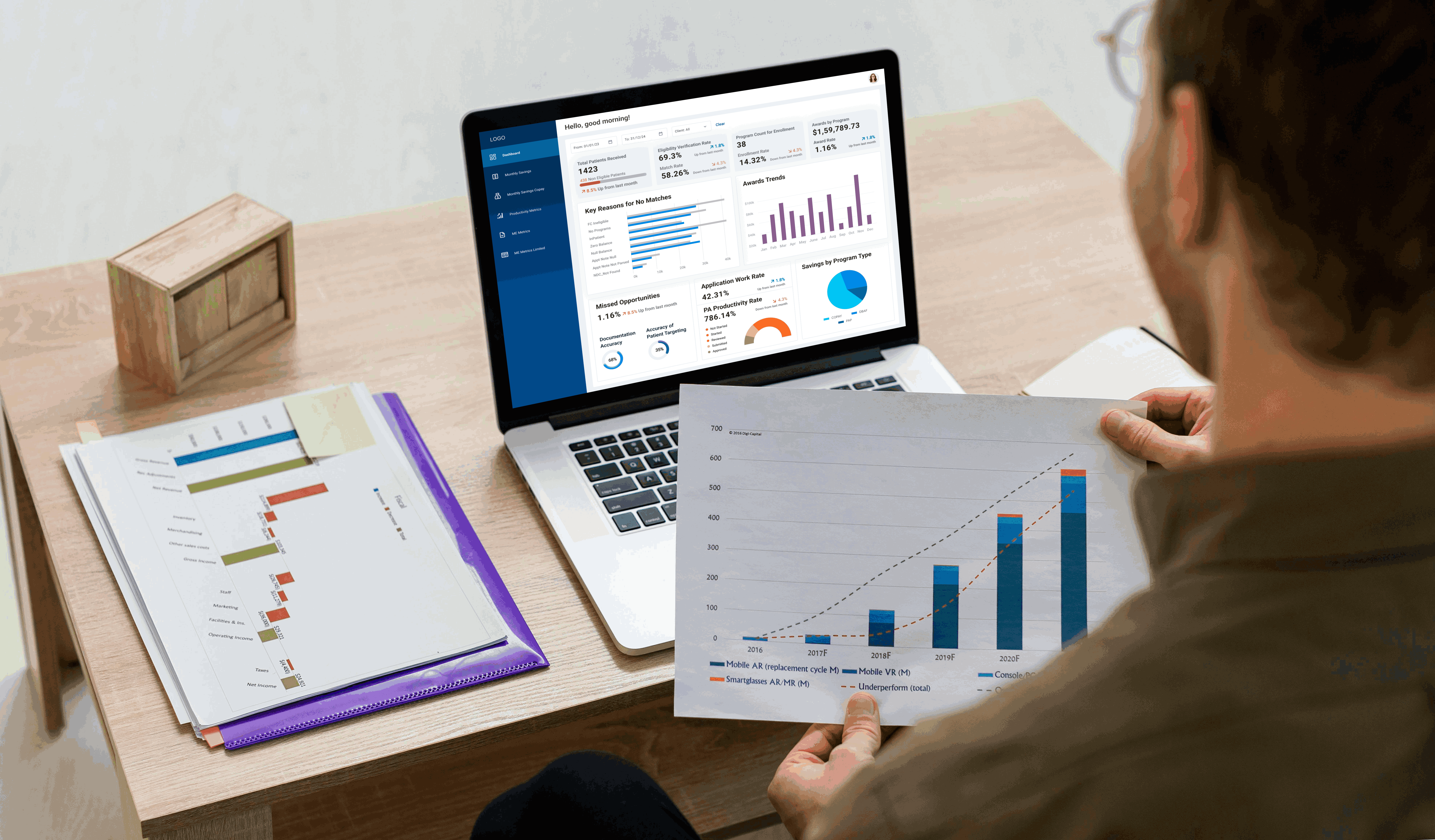
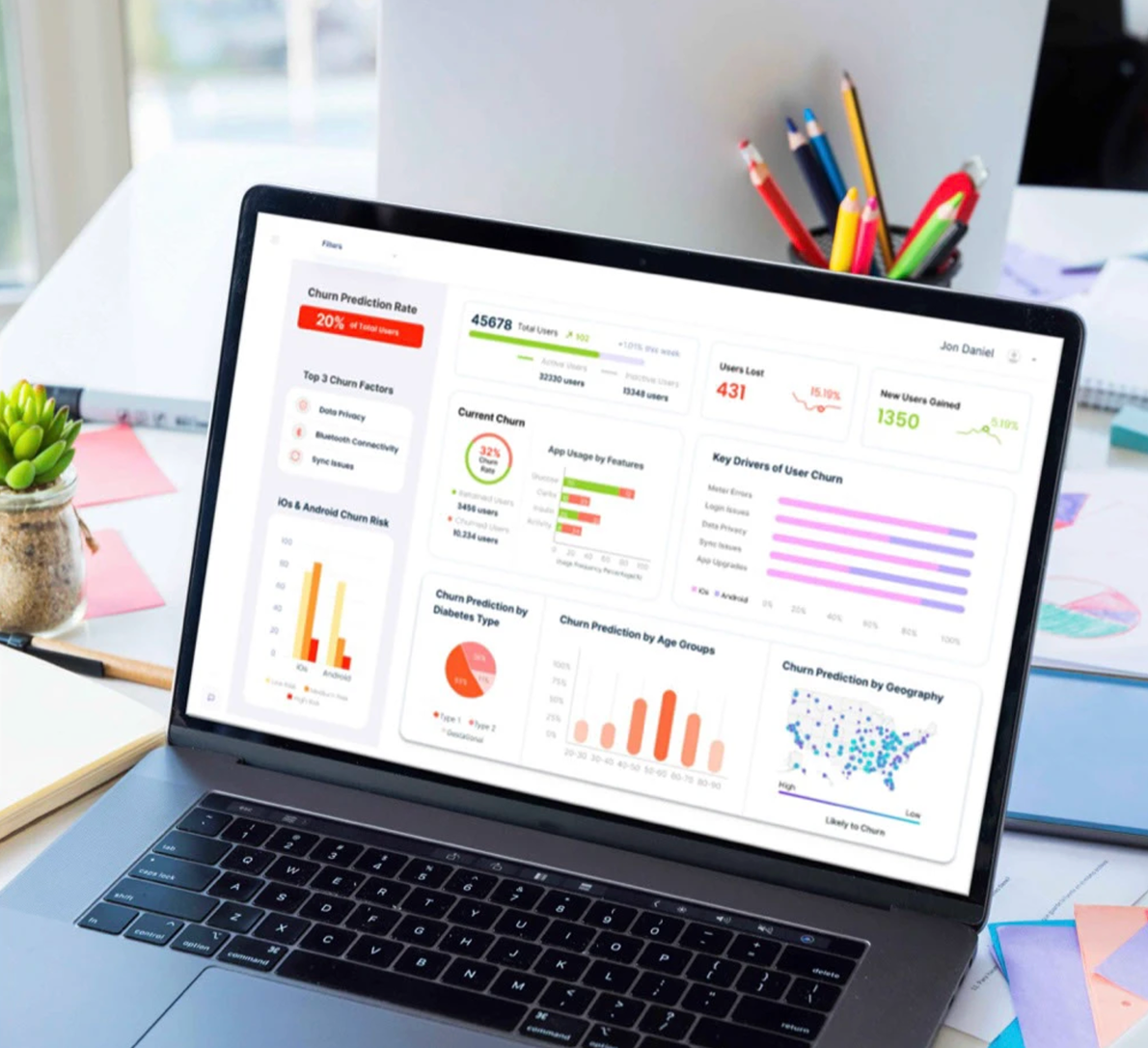
An analytical dashboard to measure and improve patient retention rate, reveal improvement opportunities and reduce patient churn rate for a diagnostic systems manufacturer.
Chapter 01
A diagnostic systems manufacturer with products focusing on the diabetes market, specifically blood glucose monitoring systems.
An analytical dashboard to measure and improve patient retention rate, reveal improvement opportunities and reduce patient churn rate.
To visualize the user churn prediction results of AI/ML model. Actionable dashboard design for data scientists and marketing leads to consume data for decision making.
UX Designer — research, competitive analysis, persona development, KPI mapping, wireframing, and high-fidelity dashboard design.
Chapter 02
User reviews analysis from app store and play store to understand user sentiments and find major problem areas.
Chapter 03
Competitive analysis study of similar apps to find areas of improvement and extending user retention.
App customization and personalization features to increase user engagement and retention.
Adding photo feature to remember & share meals and glucose readings with care teams.
Coaching users by providing insights to reach target goal with nutritional information.
Chapter 04
Created user persona for the users of the dashboard — data scientists, product owners, and marketing leads — to identify the key focus area and responsibilities of each user type.
Chapter 05
Created user personas for each user type and mapped the relevant KPIs for each persona. This ensured that every metric displayed on the dashboard was meaningful and actionable for the person viewing it.
Model accuracy, prediction confidence scores, feature importance rankings, and data quality metrics.
Churn rate trends, at-risk user segments, campaign effectiveness, and retention improvement areas.
User engagement metrics, feature adoption rates, and prioritized improvement opportunities.
Chapter 06
Created concept dashboard and coordinated with stakeholders to get continuous feedback and iterated on low fidelity wireframes. This iterative approach ensured that the dashboard structure and information hierarchy met the needs of all user types before investing in visual design.
Chapter 07
Created high fidelity dashboard design that allows data scientists, marketing leads, and product owners to seamlessly access the churn prediction information. The design emphasizes clarity, data density without clutter, and actionable insights at a glance.
Chapter 08
Research Insight
Different user types (data scientists, marketing leads, product owners) needed different levels of data granularity and different KPIs to make decisions.
Design Decision
We created role-specific dashboard views with configurable widgets, allowing each user to see the metrics most relevant to their responsibilities without information overload.
Research Insight
Users needed to quickly identify at-risk patients and understand the factors driving churn predictions from the AI/ML model.
Design Decision
We designed a prominent churn risk visualization with drill-down capabilities — color-coded risk segments, feature importance charts, and individual patient risk profiles accessible from the main dashboard.
Chapter 09
The dashboard design delivered a clear, actionable interface that empowered multiple stakeholder groups to leverage AI/ML churn predictions for data-driven decision making.
Data scientists, marketing leads, and product owners gained immediate access to churn prediction results tailored to their specific decision-making needs.
Clear visualization of at-risk segments enabled proactive outreach, improving patient retention and reducing churn across the platform.
A unified dashboard with role-specific views ensured all teams worked from the same data source, reducing misalignment in retention strategies.
By translating complex AI/ML model outputs into intuitive visualizations, the dashboard made predictive analytics accessible to non-technical stakeholders — bridging the gap between data science and business strategy.